September 22, 2026
-
November 29, 2025
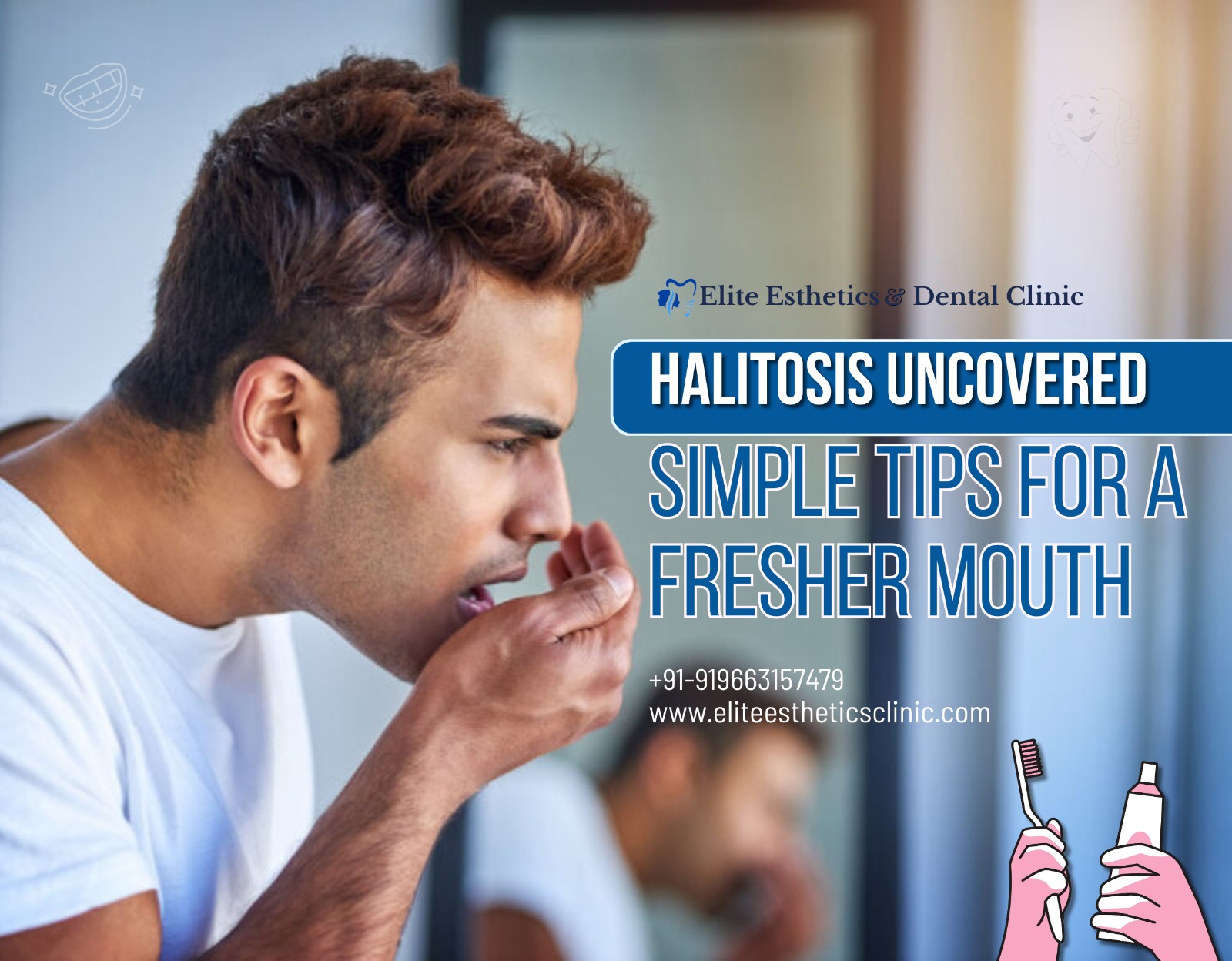
Halitosis Uncovered – Simple Tips for a Fresher Mouth
Bad breath, medically known as halitosis, is something almost everyone experiences at some point. Yet, when it becomes persistent, it can affect daily interactions, lower self-confidence, and even signal underlying health issues. While temporary bad breath after a garlic-filled meal is normal, chronic bad breath is a sign that your oral health needs attention. Fortunately, halitosis is highly manageable with the right habits and proper dental guidance.
At Elite Esthetics and Dental Care – HSR Layout, Bengaluru, many patients seek help for long-standing bad breath without realizing how simple the solutions can be. Understanding what causes halitosis is the first step toward fresher breath and better oral health.
What Exactly Causes Halitosis?
Bad breath is usually the result of bacteria inside the mouth. These bacteria break down food particles, proteins, and dead cells, releasing foul-smelling gases called volatile sulfur compounds (VSCs). However, several other factors can also contribute:
1. Poor Oral Hygiene
When brushing or flossing is inadequate, food particles remain trapped between the teeth and gums. These act as fuel for bacteria, resulting in strong odors. Without proper cleaning, plaque hardens into tartar, causing gum disease—one of the most common reasons behind chronic halitosis.
2. Tongue Coating
The tongue has tiny grooves and papillae that can trap bacteria, dead cells, and food debris. A coated tongue often produces a noticeably unpleasant smell if not cleaned regularly.
3. Dry Mouth (Xerostomia)
Saliva plays a vital role in cleaning the mouth naturally. When saliva production drops—due to dehydration, certain medications, stress, or mouth breathing—bad breath becomes more noticeable. A dry mouth creates the perfect environment for odor-causing bacteria to multiply.
4. Eating Strong-Smelling Foods
Foods like garlic, onion, spicy curries, coffee, and alcohol contribute to bad breath not only in the mouth but also through the bloodstream, as odor molecules are released during breathing.
5. Smoking & Tobacco Use
Tobacco irritates the gums, dries the mouth, stains the teeth, and leaves a persistent smoky odor. Long-term tobacco users often experience chronic halitosis.
6. Gum Disease & Oral Infections
Infections in the gums, cavities, or abscesses produce strong unpleasant smells due to bacteria thriving in inflamed tissues.
7. Medical Conditions
Sinus infections, tonsil stones, acid reflux, diabetes, and liver or kidney issues can also cause halitosis. When dental causes are ruled out, these conditions may need evaluation.
Simple Tips for a Fresher, Healthier Mouth
While halitosis can be stubborn, adopting a few consistent habits brings quick improvement.
1. Brush Twice Daily—And Brush Correctly
Use a soft-bristled toothbrush and fluoride toothpaste. Spend at least two minutes ensuring every surface of your teeth is cleaned. Replace your toothbrush every 3 months or sooner if the bristles fray.
2. Don’t Skip Flossing
Flossing removes food particles and plaque from areas your toothbrush cannot reach. Daily flossing significantly reduces odor-causing bacteria between teeth.
3. Clean Your Tongue Every Day
Gently use a tongue scraper or your toothbrush to clean the tongue from back to front. This simple step alone can drastically reduce bad breath.
4. Drink More Water
Hydration supports saliva production, helping wash away bacteria naturally. Sipping water throughout the day keeps your mouth moist and fresh.
5. Use Sugar-Free Chewing Gum
Chewing gum boosts saliva flow and is especially helpful after meals.
6. Reduce Strong-Smelling Foods
Onions, garlic, and heavily spiced foods leave lingering smells. Limiting these before important events can help you feel confident.
7. Quit Smoking
Stopping tobacco use improves breath, gum health, and overall oral hygiene.
8. Try Antibacterial Mouthwash
A good mouthwash can reduce bacterial growth and instantly freshen your breath. However, avoid overusing alcohol-based mouthwashes, as they can cause dryness.
When Should You See a Dentist?
If halitosis continues despite good oral hygiene, it may be time for a professional evaluation. Issues like gum disease, infections, tonsil stones, or hidden cavities may require expert treatment.
At Elite Esthetics and Dental Care – HSR Layout, Bengaluru, dental specialists thoroughly assess the root cause of halitosis using advanced diagnostic techniques. Personalized treatment plans address not only the symptoms but also the underlying conditions, ensuring long-lasting relief and fresher breath.
Final Thoughts
Halitosis is more common than you think—but it’s also one of the easiest oral health issues to solve with the right approach. Simple habits like brushing, flossing, cleaning your tongue, staying hydrated, and avoiding tobacco make a massive difference. For persistent cases, professional care ensures the problem is resolved at its source.
✨ If bad breath is affecting your daily life or confidence, schedule a consultation at Elite Esthetics and Dental Care – HSR Layout, Bengaluru.📞+91-966 315 7479 🌐https://eliteestheticsclinic.com/skin-care/
Fresh breath and a healthier smile are just one visit away! Posted On (29-11-2025)